


Puratos – Innovative Baking, Pastry, and Chocolate Solutions
Today, you are going towards something related to good foods.…
Jalbitedrinks Liquor Recipes by Justalittlebite: The Art of Modern Mixology for Stylish Home Entertaining
Entertaining at home has changed. It’s no longer about setting…
Tea Recipes JalbiteDrinks: Simple, Flavorful Teas for Everyday Refreshment
Tea has long been more than just a beverage. For…

Liquor Recipes JalbiteDrinks: Creative Mixes for Every Occasion
Food is a basic need for everyone — and for…

Jalbitedrinks – A New Journey of Taste and Health
In today’s fast life, every person needs refreshment. Coffee, soft…
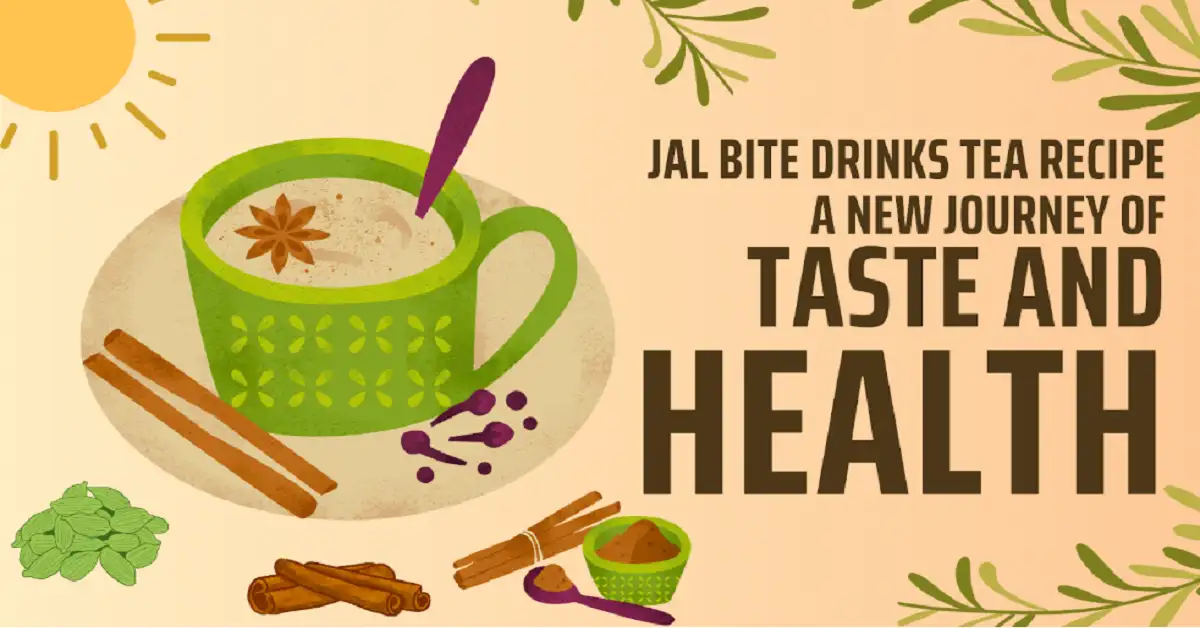
Jalbitedrinks Tea Recipe – A New Journey of Taste and Health
In today’s fast life, everyone needs refreshment. Coffee, soft drinks,…
BEVERAGE CULTURE, FLAVOR BALANCE & RECIPE FOUNDATIONS
Jalbitedrinks explores the world of beverage culture, highlighting how drinks reflect both tradition and modern creativity. It emphasizes flavor balance, ensuring every sip is harmonious and enjoyable. The platform provides clear recipe foundations, sharing techniques and tips for crafting perfect drinks. From classic beverages to innovative twists, jalbitedrinks guides both home enthusiasts and professional mixologists. Understanding ingredients and their interactions is central to achieving the ideal taste profile. With a focus on both flavor and presentation, jalbitedrinks helps readers create drinks that are memorable, balanced, and delightful.
Understanding Beverage Craft and Recipe Development
Beverage craft is built on the deliberate combination of ingredients, techniques, and timing to create drinks that are balanced, repeatable, and enjoyable across different settings. Unlike casual mixing, structured recipe development considers how flavours interact from the first sip to the finish, ensuring no single element overwhelms the others. Sweetness, acidity, bitterness, aroma, and texture must work together, whether the drink is a simple tea preparation or a layered cocktail.
Recipe development also focuses on consistency. Clearly defined quantities, preparation order, and temperature guidance allow the same drink to be recreated reliably. This consistency is especially important when beverages are shared across digital platforms, where readers expect results that match descriptions. Well-structured drink recipes act as practical guides rather than loose suggestions, helping readers understand why certain ingredients are included and how substitutions may alter the final profile.
Modern beverage culture places value on both creativity and discipline. Creative flavour combinations emerge from experimentation, but they are refined through repeated testing and measurement. This approach supports everything from liquor recipes jalbitedrinks-style preparations to non-alcoholic coffee and tea concepts, reinforcing that thoughtful structure is central to successful beverage crafting.
Importance of Precise Measurements and Ingredient Selection
- Accurate measurement ensures sweetness, acidity, and strength remain balanced, preventing overpowering flavours and allowing beverage recipes to be reproduced consistently across different kitchens and preparation environments.
- High-quality ingredients influence aroma and mouthfeel, as fresh citrus, properly stored spirits, and well-roasted coffee beans contribute clarity and depth that inferior substitutes cannot replicate.
- Measuring tools such as jiggers or scales reduce guesswork, supporting structured preparation methods commonly found in organised liquor and cocktail recipe collections.
- Ingredient selection affects stability, as syrups, teas, and infusions with consistent composition maintain flavour integrity when combined with ice or diluted during mixing.
- Following the intended preparation order allows flavours to integrate correctly, ensuring that base ingredients, modifiers, and finishing elements perform their roles without masking one another.
- Precise quantities help readers evaluate adjustments responsibly, making it easier to scale recipes or adapt them without unintentionally altering balance or strength.
Role of Digital Recipe Platforms in Modern Drink Culture
Digital recipe platforms have reshaped how beverage knowledge is shared, preserved, and adapted. Instead of relying solely on verbal instruction or handwritten notes, readers now access detailed drink recipes supported by structured steps and ingredient clarity. This shift supports learning by allowing users to compare variations, understand preparation logic, and refine techniques over time.
Platforms dedicated to beverages often categorise content by drink type, technique, or occasion, making exploration intuitive. They also document trends, seasonal preferences, and evolving flavour profiles, contributing to a broader understanding of drink culture beyond individual recipes.
- Digital platforms standardise recipe formats, helping readers follow consistent measurement systems and preparation steps without ambiguity.
- Categorised content enables easier navigation between liquor, cocktail, coffee, and tea recipes while maintaining clear instructional boundaries.
- Written guidance supports repetition and learning, allowing readers to revisit techniques and improve accuracy with each preparation.
- Digital archives preserve variations and adaptations, showing how classic preparations evolve while maintaining foundational balance principles.
Differences Between Home-Style and Crafted Beverages
Home-style beverages are typically informal, flexible, and shaped by personal taste rather than strict structure. Measurements may be estimated, ingredient substitutions are common, and preparation methods often prioritise convenience. This approach encourages experimentation but can lead to inconsistent results, especially when recreating complex flavour profiles.
Crafted beverages, by contrast, follow defined recipes and techniques designed to achieve balance and repeatability. Ingredients are selected deliberately, measurements are precise, and preparation steps are followed in sequence. Crafted drinks focus on controlled dilution, temperature management, and presentation, all of which influence the final experience.
The difference is not about exclusivity or complexity but about intention. Home-style preparation suits casual enjoyment, while crafted methods support learning, refinement, and consistency. Understanding both approaches allows readers to choose methods appropriate to context, whether preparing a simple tea or exploring structured cocktail recipes jalbitedrinks-style guides emphasise.
Common Beverage Preparation Mistakes
- Overpouring primary ingredients disrupts balance, often overpowering subtle flavours and making it difficult to identify supporting notes intended by the original recipe structure.
- Ignoring temperature guidance leads to muted aromas or excessive dilution, particularly when ice quality and melting rate are not considered carefully.
- Skipping proper mixing or steeping times prevents flavours from integrating fully, resulting in uneven taste across the drink.
- Using incompatible substitutions alters sweetness, acidity, or bitterness, unintentionally changing the flavour profile beyond the recipe’s intended design.
- Neglecting ingredient freshness reduces clarity, as stale citrus, old coffee grounds, or improperly stored spirits diminish overall quality.
- Rushing preparation order can cause separation or imbalance, especially in layered or infused beverages requiring controlled sequencing.
Building Flavor Profiles for Drinks
Flavor profile development involves understanding how individual components contribute to the overall structure of a beverage. Each ingredient plays a specific role, whether as a base, modifier, or accent. Successful drinks balance dominant flavours with subtle supporting notes, creating depth without confusion. This process applies equally to liquor-based drinks and non-alcoholic preparations such as coffee and tea.
Building flavour profiles also requires awareness of contrast and harmony. Sweetness may soften bitterness, acidity can brighten richness, and aroma adds perception beyond taste. Structured recipes document these relationships clearly, helping readers understand not just what to add, but why each element matters.
- Base ingredients establish the primary flavour direction, forming the foundation upon which other components are layered thoughtfully.
- Modifiers such as syrups, spices, or dairy adjust balance, smoothing sharp edges or enhancing mouthfeel.
- Acidic elements introduce brightness, preventing drinks from tasting flat or overly sweet.
- Aromatic components influence perception, shaping how flavours are experienced before tasting begins.
- Controlled dilution integrates flavours gradually, ensuring balance remains consistent from first sip to finish.
Cultural Influence on Beverage Recipes
Beverage recipes are deeply influenced by cultural traditions, regional ingredients, and historical practices. Tea rituals, coffee preparation methods, and liquor-based drinks often reflect local climate, agriculture, and social customs. These influences shape flavour preferences, preparation techniques, and presentation styles across cultures.
As recipes travel across borders through digital platforms, they are adapted to new contexts while retaining core principles. This exchange encourages experimentation while preserving foundational methods. Understanding cultural origins adds depth to recipe interpretation, helping readers appreciate why certain ingredients or techniques are traditionally paired.
Cultural influence also explains variations in sweetness levels, spice usage, and serving temperature. Recognising these patterns allows readers to approach recipes with informed flexibility, respecting original intent while adjusting thoughtfully for personal preference or ingredient availability.
Responsible Enjoyment and Recipe Awareness
- Understanding recipe structure helps readers recognise intended serving sizes, supporting mindful preparation without excess or unnecessary concentration.
- Clear recipes encourage moderation by emphasising balance rather than intensity, particularly in liquor-based beverage preparations.
- Awareness of ingredient roles allows thoughtful adjustments that maintain flavour integrity while avoiding overuse of any single component.
- Structured guidance supports informed enjoyment, helping readers appreciate technique, flavour, and craftsmanship rather than quantity.
- Recipe clarity promotes intentional preparation, reinforcing respect for both ingredients and the cultural practices behind beverage traditions.
- Educational drink resources frame beverages as culinary experiences, encouraging appreciation through understanding rather than overindulgence.
JALBITEDRINKS AS A RECIPE & BEVERAGE RESOURCE
Overview of JalBiteDrinks and Its Recipe Focus
JalBiteDrinks functions as a structured beverage resource that prioritises clarity, repeatability, and instructional depth across a wide range of drink categories. Rather than presenting loosely defined mixes, the platform centres on clearly written recipes that explain ingredient roles, preparation order, and flavour intent. This approach supports readers who want dependable results while gradually building practical beverage knowledge.
The scope of JalBiteDrinks covers liquor-based drinks, cocktails, coffee, and tea preparations, treating each category with equal attention to technique and balance. Recipes are framed as culinary processes, not trends, helping readers understand how flavours develop and interact. By documenting both classic structures and modern adaptations, the platform supports learning through comparison and repetition.
This recipe-focused structure positions JalBiteDrinks as an educational reference rather than a lifestyle showcase. Readers are guided toward understanding measurements, temperature, and timing, which are essential for producing consistent beverages at home. The emphasis remains on informed preparation, allowing users to apply techniques confidently across different drink styles.
Liquor Recipes JalBiteDrinks Features
- Liquor recipes jalbitedrinks emphasise measured structure, detailing spirit ratios, dilution control, and preparation sequence to maintain balance without overpowering supporting flavours.
- Each jalbitedrinks liquor recipe focuses on ingredient interaction, explaining how base spirits, modifiers, and aromatic elements combine to create a cohesive flavour profile.
- Recipes highlight preparation techniques such as stirring or controlled shaking, clarifying how method selection influences texture, temperature, and overall drink consistency.
- Ingredient lists prioritise clarity, allowing readers to understand substitution limits without compromising the original flavour intent.
- Instructions encourage mindful dilution, recognising ice quality and melting rate as essential factors in liquor-based drink preparation.
- Recipe descriptions remain neutral and instructional, reinforcing technique awareness rather than promoting strength or excess.
- Consistent formatting supports comparison across different liquor styles, helping readers identify shared structures and adaptable elements.
JalBiteDrinks Liquor Recipes by JustALittleBite Explained
JalBiteDrinks liquor recipes by JustALittleBite reflect a methodical approach to documenting drink preparation. These recipes focus on breaking down each step into clear actions, supporting readers who want to understand both process and outcome. Rather than relying on assumed knowledge, instructions explain why certain techniques or measurements are used.
This collaboration-style content places emphasis on reliability. Recipes are written to be reproducible across different home environments, accounting for common variations in tools and ingredients. The educational tone supports gradual skill development, helping readers recognise patterns that apply beyond a single recipe.
- Recipes are structured to show progression, guiding readers from base preparation through finishing steps without unnecessary complexity.
- Ingredient roles are clarified, helping readers understand how adjustments may influence sweetness, aroma, or mouthfeel.
- Measurement guidance supports consistency, allowing readers to replicate results with confidence across multiple preparations.
- Technique explanations connect actions to outcomes, reinforcing learning through practical application.
- The overall presentation supports methodical exploration of liquor-based drinks without encouraging excess.
Ingredient Transparency and Recipe Clarity
Ingredient transparency is central to the instructional value of JalBiteDrinks recipes. Clearly identified components help readers understand what contributes to flavour, texture, and aroma, reducing uncertainty during preparation. This transparency also supports informed substitutions, allowing readers to adapt recipes responsibly when necessary.
Recipe clarity extends beyond listing ingredients. Preparation steps are ordered logically, reflecting how flavours integrate during mixing, brewing, or steeping. Clear language reduces misinterpretation, particularly for readers still developing technical confidence.
By prioritising transparency, JalBiteDrinks supports learning through repetition. Readers can track how small adjustments affect outcomes, reinforcing understanding rather than reliance on guesswork. This clarity transforms recipes into educational tools, encouraging deliberate, thoughtful beverage preparation across all drink categories.
JalBiteDrinks Best Cocktails Overview
- Jalbitedrinks best cocktails focus on balance, highlighting recipes that demonstrate clear relationships between sweetness, acidity, bitterness, and dilution.
- Cocktail recipes jalbitedrinks showcase structured techniques, explaining why specific mixing methods are chosen for particular flavour profiles.
- Featured cocktails emphasise ingredient harmony, avoiding unnecessary complexity while maintaining depth and character.
- Recipe descriptions support consistency, allowing readers to recreate intended flavours without relying on interpretation or improvisation.
- Cocktail selections illustrate classic frameworks, helping readers recognise foundational patterns applicable across multiple drink styles.
- Instructions remain educational, framing cocktails as culinary preparations rather than performance-focused drinks.
- Organised presentation allows readers to compare techniques and flavour structures across different cocktail categories.
Recipe Organization and Reader Accessibility
Effective recipe organisation enhances accessibility, allowing readers to locate and follow instructions without confusion. JalBiteDrinks structures content with clear headings, consistent formatting, and logical progression, supporting both quick reference and in-depth learning. This organisation reduces cognitive load, making complex preparations more approachable.
Accessibility also involves language choice. Recipes are written in clear, neutral terms, avoiding unnecessary jargon while still explaining essential techniques. This balance supports readers at different skill levels without oversimplifying the preparation process.
- Clear sectioning separates ingredients, methods, and explanatory notes, improving readability during active preparation.
- Consistent formatting helps readers anticipate information placement, reducing errors caused by misreading steps.
- Plain instructional language supports understanding without diluting technical accuracy.
- Logical progression mirrors real preparation order, reinforcing learning through practical repetition.
- Organised layouts encourage exploration across drink categories without overwhelming the reader.
Seasonal and Occasion-Based Drink Ideas
Seasonal and occasion-based drink ideas reflect how ingredient availability and cultural context influence beverage preparation. JalBiteDrinks presents recipes that align with temperature, ingredient freshness, and traditional consumption patterns, supporting thoughtful adaptation throughout the year.
These recipes encourage readers to consider context when selecting drinks. Lighter, aromatic preparations may suit warmer conditions, while richer, warming beverages align with cooler seasons. Occasion-based structuring also highlights how presentation and balance shift depending on setting.
By framing seasonal ideas as adaptable templates rather than fixed rules, the platform supports informed creativity. Readers learn how to adjust flavour intensity, temperature, and texture while maintaining structural integrity within established recipes.
Maintaining Consistency Across Drink Recipes
- Consistent measurement standards ensure flavour balance remains stable across repeated preparations, supporting reliable outcomes regardless of environment.
- Standardised preparation steps reduce variation, helping readers achieve similar results even when using different tools.
- Clear temperature guidance supports predictable dilution and aroma release during mixing or brewing.
- Ingredient quality benchmarks maintain flavour integrity across seasonal or regional availability changes.
- Reproducible formats allow readers to track adjustments without losing reference to the original recipe structure.
- Consistency reinforces learning, enabling readers to recognise patterns across liquor, cocktail, coffee, and tea recipes.
- Structured documentation supports gradual skill development through repetition rather than trial-and-error guesswork.
COCKTAIL & LIQUOR RECIPE TECHNIQUES
Fundamentals of Cocktail Mixing Techniques
Cocktail mixing techniques form the practical foundation of structured drink preparation. Each method is chosen to control temperature, dilution, texture, and flavour integration, ensuring the final drink reflects its intended profile. Stirring, shaking, building, and layering are not interchangeable actions but deliberate techniques aligned with ingredient composition and desired mouthfeel.
Stirring is typically used for spirit-forward drinks where clarity and smooth texture are prioritised. It gently chills and dilutes without introducing excessive air. Shaking, by contrast, incorporates aeration and rapid chilling, which suits recipes containing citrus, dairy, or egg-based components. Building directly in the glass reduces handling and preserves carbonation when required.
Understanding these techniques helps readers move beyond memorisation toward comprehension. Recipes become instructional tools, showing how method choice affects outcome. This knowledge is especially relevant when adapting structured cocktail or liquor recipes for different environments, reinforcing consistency and balance through informed technique selection.
Cocktail Recipes JalBiteDrinks Highlights
- Cocktail recipes jalbitedrinks highlight controlled shaking methods to integrate citrus and sweeteners evenly while achieving proper dilution and texture.
- Featured recipes demonstrate stirring techniques that preserve clarity and maintain a smooth mouthfeel in spirit-forward preparations.
- Instructions emphasise ice management, showing how cube size and quantity influence chilling speed and flavour concentration.
- Recipes explain when to build directly in glass to protect carbonation and maintain intended effervescence.
- Method descriptions connect technique to flavour outcome, helping readers understand why specific actions are required.
- Step sequencing supports repeatability, ensuring consistent results across multiple preparations.
- Technique-focused highlights reinforce cocktails as structured culinary preparations rather than improvised mixes.
Flavor Pairing in Liquor-Based Drinks
Flavor pairing in liquor-based drinks relies on understanding how spirits interact with sweet, bitter, acidic, and aromatic elements. Each pairing decision shapes balance, guiding how flavours unfold from aroma to finish. Successful pairings complement the base spirit rather than masking its character.
Structured recipes document these relationships clearly, allowing readers to identify why certain combinations work. Citrus may brighten heavier spirits, while herbal elements add complexity without increasing sweetness. Thoughtful pairing also considers texture and temperature, ensuring flavours integrate smoothly.
- Base spirits define dominant flavour direction, influencing which supporting ingredients will harmonise effectively.
- Sweet components soften bitterness and alcohol perception, contributing balance without overwhelming the primary profile.
- Acidic elements introduce contrast, enhancing clarity and preventing flavour fatigue.
- Bitter modifiers add structure, extending the finish and reinforcing complexity.
- Aromatic accents shape perception, influencing how flavours are experienced before tasting.
Understanding Ice, Dilution, and Temperature Control
Ice, dilution, and temperature control are interconnected elements that significantly influence drink quality. Ice is not merely a cooling agent; it governs dilution rate, aroma release, and mouthfeel. Different ice forms melt at different speeds, altering how flavours integrate during mixing.
Temperature affects both perception and balance. Overly cold drinks may mute aroma, while insufficient chilling can exaggerate alcohol presence. Controlled dilution ensures flavours open gradually rather than collapsing into imbalance.
Recipes that specify ice type, mixing duration, and serving temperature support consistency. This guidance helps readers avoid common pitfalls, such as excessive dilution or uneven chilling. Understanding these principles allows informed adaptation, reinforcing that ice management is as critical as ingredient selection in crafted beverages.
Presentation and Garnishing Principles
- Garnishes contribute aroma and visual context, reinforcing flavour expectations before the first sip is taken.
- Proper garnish selection complements the drink’s flavour profile without introducing conflicting notes.
- Placement techniques ensure garnishes enhance aroma delivery rather than obstructing drinking experience.
- Minimal presentation supports clarity, avoiding unnecessary decoration that distracts from flavour balance.
- Fresh garnish ingredients maintain quality, preventing bitterness or off-notes from wilted components.
- Glassware choice influences perception, supporting appropriate temperature retention and aroma concentration.
Adapting Cocktail Recipes for Home Preparation
Adapting cocktail recipes for home preparation involves balancing precision with practicality. While professional settings may use specialised tools, structured recipes can be translated effectively using standard household equipment. Understanding technique purpose allows substitutions without compromising balance.
Adaptation also involves ingredient availability. Clear recipes explain core components, helping readers identify which elements are essential and which can be adjusted thoughtfully. This approach supports flexibility while preserving intended flavour structure.
- Tool substitutions replicate function, maintaining mixing efficiency and dilution control.
- Ingredient alternatives are selected based on flavour role rather than brand specificity.
- Measurement guidance supports accuracy using common kitchen tools.
- Technique explanations allow method adjustments without altering outcome.
- Structured adaptation encourages confidence while maintaining recipe integrity.
Avoiding Over-Complexity in Drink Recipes
Over-complexity can obscure flavour clarity and reduce reproducibility. While experimentation has value, excessive ingredients often create confusion rather than depth. Structured recipes prioritise balance, selecting components that serve clear roles.
Simplified recipes highlight technique and ingredient interaction, supporting learning through repetition. Readers gain insight into flavour construction without being overwhelmed by unnecessary steps. This approach also improves consistency, making recipes easier to reproduce accurately.
Avoiding over-complexity does not limit creativity; instead, it focuses attention on intentional choices. Well-designed drinks demonstrate that restraint often produces more refined and memorable results than excessive layering.
Evaluating Balance and Taste Consistency
- Balanced drinks display harmony, with no single element dominating the overall flavour profile.
- Taste consistency across sips indicates proper dilution and integration of ingredients.
- Aroma alignment supports flavour perception, reinforcing balance before tasting.
- Texture evaluation confirms appropriate technique application and mixing method.
- Finish length reflects ingredient harmony rather than residual sharpness.
- Repeatability demonstrates recipe reliability across multiple preparations.
- Structured evaluation reinforces learning, helping readers refine technique through observation.
COFFEE & TEA RECIPES BY JALBITEDRINKS
Role of Coffee and Tea in Beverage Culture
Coffee and tea hold a central place in global beverage culture, valued for their versatility, ritual significance, and flavour complexity. Unlike many mixed drinks, these beverages are often consumed daily, making consistency and technique especially important. Preparation methods influence not only taste but also aroma, texture, and overall experience, reinforcing the importance of structured recipes.
Both coffee and tea serve as foundations for a wide range of preparations, from straightforward brews to layered beverages incorporating milk, spices, or sweeteners. Cultural traditions shape how these drinks are prepared and served, influencing grind size, water temperature, and steeping duration. Understanding these traditions provides context for recipe development and adaptation.
Within structured platforms, coffee and tea recipes are treated with the same precision as liquor-based drinks. Clear guidance supports repeatable outcomes, helping readers appreciate subtle flavour differences and refine technique through informed practice rather than trial and error.
Coffee Recipes JalBiteDrinks Focuses On
- Coffee recipes jalbitedrinks emphasise controlled brewing ratios, ensuring extraction remains balanced without excessive bitterness or underdeveloped flavour.
- Each jalbitedrinks coffee recipe explains grind size selection, linking particle consistency to extraction speed and final taste clarity.
- Recipes highlight water temperature control to protect aromatic compounds and prevent harsh flavour development.
- Preparation steps outline timing importance, showing how brew duration influences strength and mouthfeel.
- Ingredient guidance includes milk and sweetener integration, maintaining balance without overpowering coffee character.
- Structured formats support consistency, allowing readers to replicate results across different brewing environments.
- Neutral instructional tone reinforces coffee preparation as a culinary process grounded in technique.
Brewing Methods and Flavor Extraction
Brewing methods determine how flavours are extracted from coffee and tea, shaping strength, clarity, and texture. Each method manages contact time, temperature, and agitation differently, influencing which compounds are released. Understanding these variables helps readers select techniques aligned with desired outcomes.
Structured recipes explain how brewing choices affect extraction, reducing uncertainty during preparation. Clear method descriptions support experimentation within defined parameters, allowing readers to adjust grind size or steeping time responsibly.
- Immersion methods promote even extraction, producing full-bodied flavour through sustained contact.
- Percolation techniques control flow rate, influencing clarity and brightness.
- Agitation affects extraction speed, requiring careful timing to avoid over-extraction.
- Filtration choice impacts texture, retaining or removing fine particles.
- Temperature regulation ensures aromatic preservation and balanced flavour development.
JalBiteDrinks Tea Recipe Concepts Explained
JalBiteDrinks tea recipe content focuses on clarity, balance, and respect for ingredient integrity. Recipes explain leaf selection, water temperature, and steeping time as interconnected elements that shape flavour. This structured approach supports consistent results while encouraging mindful preparation.
Tea recipes are presented as adaptable frameworks rather than rigid formulas. Readers learn how small adjustments influence strength and aroma, allowing informed personalisation. The jalbitedrinks tea recipe approach emphasises understanding over memorisation, reinforcing technique awareness.
By documenting both traditional and contemporary tea preparations, the platform highlights cultural context alongside practical instruction. This balance helps readers appreciate why certain methods are used while applying them confidently in modern settings.
Temperature, Timing, and Ingredient Balance in Tea
- Water temperature determines extraction rate, preventing bitterness while preserving delicate aromatic compounds.
- Steeping duration controls strength, ensuring flavours develop without overwhelming subtle notes.
- Leaf-to-water ratio influences balance, supporting clarity and consistent intensity.
- Ingredient additions are timed carefully to avoid masking primary tea characteristics.
- Vessel choice affects heat retention, influencing extraction consistency.
- Structured timing supports repeatable outcomes across different tea varieties.
- Balanced preparation reinforces tea as a precise culinary process rather than a casual infusion.
LONG-TERM VALUE OF STRUCTURED DRINK RECIPE PLATFORMS
Importance of Reliable Beverage Recipe Sources
Reliable beverage recipe sources provide more than instructions; they establish trust through consistency, clarity, and educational depth. When recipes are documented carefully, readers can replicate results with confidence, regardless of experience level or preparation environment. This reliability supports learning by reducing uncertainty and encouraging repetition, which is essential for mastering beverage techniques.
Structured sources also preserve culinary knowledge. Clear documentation ensures that preparation methods, ingredient roles, and flavour logic are not lost or misinterpreted over time. This is particularly valuable for beverages, where small variations in measurement or temperature can significantly affect outcomes.
In a digital context, dependable recipe platforms help readers navigate a vast volume of information. By prioritising accuracy and instructional integrity, these sources distinguish themselves as educational references rather than casual collections, supporting informed beverage preparation across liquor, cocktail, coffee, and tea categories.
Educational Impact of Step-By-Step Drink Guides
- Step-by-step guides break complex preparations into manageable actions, supporting gradual skill development without overwhelming readers.
- Sequential instruction clarifies preparation order, reducing errors caused by misinterpretation or skipped steps.
- Detailed explanations connect technique to outcome, reinforcing understanding rather than rote repetition.
- Consistent formatting supports learning through familiarity, allowing readers to focus on technique rather than navigation.
- Clear guidance encourages experimentation within defined parameters, promoting confidence while maintaining balance.
- Educational structure transforms recipes into learning tools rather than one-time references.
- Repetition of method reinforces technique retention across different beverage categories.
How JalBiteDrinks Supports Beverage Learning
JalBiteDrinks supports beverage learning by combining structured recipes with clear instructional language. Each recipe is designed to explain not only what to do, but why specific steps matter. This educational framing helps readers build transferable skills rather than memorising isolated instructions.
The platform’s approach encourages pattern recognition. Readers begin to understand shared principles across liquor, cocktail, coffee, and tea preparations, reinforcing consistency and adaptability. By presenting information in a neutral, method-focused tone, JalBiteDrinks positions beverages as culinary practices grounded in technique.
- Recipes emphasise foundational methods, supporting skill transfer across drink categories.
- Ingredient explanations clarify functional roles, reinforcing informed adjustment.
- Consistent formatting supports comparison and long-term learning.
- Neutral tone prioritises education over presentation.
- Structured guidance encourages deliberate practice through repetition.
Sustainability of Home Beverage Crafting
Sustainable home beverage crafting focuses on mindful ingredient use, repeatable techniques, and reduced reliance on excess. Structured recipes support this by encouraging precise measurement and thoughtful preparation, minimising waste and unnecessary experimentation.
Home preparation also promotes appreciation for ingredient quality. When recipes highlight balance and technique, readers learn to value fewer, well-chosen components rather than excessive additions. This approach aligns with sustainable culinary practices that prioritise efficiency and respect for resources.
By fostering understanding rather than novelty, structured platforms support long-term engagement. Readers develop habits that emphasise consistency, learning, and adaptability, reinforcing beverage preparation as a sustainable, skill-based activity rather than a disposable trend.
Future Outlook for JalBiteDrinks Recipe Content
- Continued emphasis on structured documentation will support consistency as recipe collections expand.
- Broader coverage across beverage categories encourages comprehensive skill development.
- Refinement of instructional clarity enhances accessibility for diverse experience levels.
- Ongoing focus on balance and technique preserves educational integrity.
- Adaptation to evolving flavour preferences maintains relevance without sacrificing structure.
- Clear categorisation supports efficient navigation and long-term usability.
- Educational framing ensures recipes remain practical references rather than transient content.
For more information, click here.